SEO for Ophthalmologists in Edinburgh
Rank for the cataract, LASIK and eye-health searches Edinburgh patients make before they ever pick up the phone.
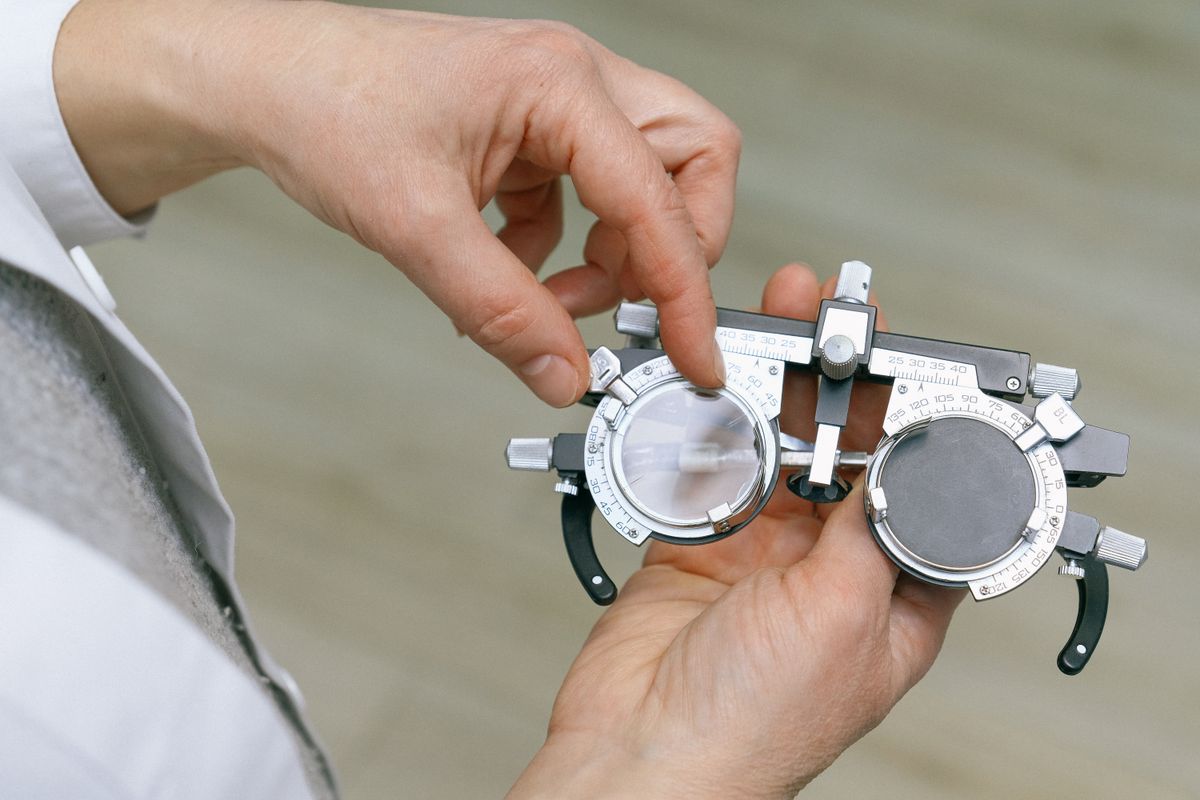
Specialisations we help ophthalmologists rank for
Ophthalmology covers a wide clinical range, and your website should reflect that spread rather than treating "eye care" as one generic service. Patients searching for cataract surgery are at a very different stage of decision-making than someone searching for help with sudden double vision, and each specialisation needs its own dedicated page, language and calls to action to rank and to convert.
Why SEO delivers a strong ROI for Edinburgh eye clinics
Ophthalmology patients research heavily before booking, often comparing NHS waiting times against private options, checking consultant credentials, and reading up on procedures like LASIK or lens replacement weeks or months before enquiring. A well-optimised site captures that research phase, positioning your practice as the trusted answer at exactly the point a prospective patient is deciding where to go.
Unlike paid advertising, which stops delivering the moment you stop paying, organic rankings for terms like "ophthalmologist Edinburgh" or "cataract consultation Edinburgh" compound over time. Clinics that invest consistently in SEO typically see their cost per enquiry fall as rankings mature, while competitors relying solely on paid search face rising costs per click in a market where a handful of private providers compete for the same terms.
The Edinburgh ophthalmology market
Edinburgh sits within a competitive private eye-care market shaped by proximity to major NHS ophthalmology services at the Princess Alexandra Eye Pavilion, alongside a growing number of private clinics offering cataract, refractive and cosmetic eye procedures. Patients frequently search comparatively, weighing NHS referral routes and waiting times against self-pay private care, which means your content needs to speak clearly to both audiences rather than assuming one single patient journey.
Search behaviour also varies across the city and Lothians catchment area, with patients in areas like Leith, Morningside and the wider Lothian region searching with local modifiers alongside condition and procedure terms. A clinic that only optimises for "Edinburgh ophthalmologist" misses the long tail of "cataract surgery near Musselburgh" or "eye specialist East Lothian" style searches that carry real, ready-to-book intent.
Local SEO for ophthalmologists
For an eye clinic, local SEO starts with a fully optimised Google Business Profile: accurate categories, complete service listings, current photos of your consultation rooms and equipment, and a steady flow of genuine patient reviews. Ophthalmology patients weigh reviews heavily, particularly for surgical procedures like cataract or refractive surgery, so a deliberate, compliant review-generation process matters as much as any on-site change.
Consistent name, address and phone details across directories, clear location pages if you operate from more than one site, and location-specific service pages (rather than one generic "our services" page) all help you show up in the local map pack for the exact suburb and postcode searches your prospective patients are actually typing.
Content strategy for ophthalmology SEO
The strongest-performing ophthalmology content answers the specific questions patients have at each stage: symptom-led pages ("why do I have floaters", "sudden blurry vision in one eye"), procedure-comparison pages (LASIK versus PRK, monofocal versus multifocal lens implants), and practical pages covering cost, recovery time and what to expect on the day. This content captures search demand long before a patient is ready to book a consultation, building trust ahead of that decision.
Blog and resource content should be genuinely useful rather than thin marketing copy: recovery timelines after cataract surgery, how to prepare for a LASIK consultation, or guidance on when eye symptoms warrant urgent attention. This kind of content earns links and shares naturally, and it is exactly the type of specific, well-structured material that both Google and AI search tools reward with visibility.
E-E-A-T for ophthalmology websites
Ophthalmology sits squarely in Google's "Your Money or Your Life" category, meaning expertise, authoritativeness and trust signals matter more here than for almost any other industry. Clear, detailed consultant biographies including GMC registration, sub-specialty training and years of experience, alongside named authorship on clinical content, materially strengthen how Google evaluates your site.
Practical trust signals also count: transparent pricing where possible, clear information about registration with the CQC or equivalent regulator, accreditations, and easy-to-find contact and complaints information. Sites that bury this information, or present procedure information without any named clinical author, consistently underperform sites that make expertise and accountability obvious.
How clients search for ophthalmologists now (AI search)
An increasing share of patients now start their research in ChatGPT, Google AI Overviews or similar tools, asking conversational questions like "what's the difference between cataract surgery and lens replacement" or "best way to find a private ophthalmologist in Edinburgh" before ever visiting a clinic's website. These tools tend to surface content that answers the question directly, cites specifics, and comes from a source with clear clinical credibility.
To be found in these AI-generated answers, your content needs to be structured clearly around specific questions with direct, well-supported answers, not buried in generic marketing pages. Clinics that publish precise, well-organised procedure and condition content are increasingly being cited or summarised in AI search results, effectively gaining visibility at the very top of the patient journey.
Common SEO problems on ophthalmology websites
- One generic "services" page covering every procedure, rather than dedicated pages for cataract surgery, LASIK, glaucoma care and other specialisations that can each rank independently.
- Consultant biography pages with no named authorship, credentials or sub-specialty detail, weakening E-E-A-T for a highly regulated medical specialty.
- Slow-loading sites, often due to unoptimised imagery or bloated page builders, which hurts both rankings and conversion for anxious, symptom-searching patients.
- Google Business Profile left incomplete or unclaimed, missing out on local map pack visibility for high-intent "near me" searches.
- No content addressing the research phase: symptom questions, procedure comparisons and cost/recovery information that patients search for before they are ready to enquire.
- Duplicate or thin content copied from templates or medical directories, which fails to differentiate the practice and can actively suppress rankings.
Results Edinburgh ophthalmologists businesses can expect
Our process
-
Ophthalmology SEO audit
We review your site, Google Business Profile and current rankings against Edinburgh competitors to find the fastest wins for cataract, LASIK, glaucoma and paediatric eye-care terms.
-
Clinical keyword mapping
We map search demand across procedures, conditions and symptoms, from "cataract surgery Edinburgh" to "why are my eyes watering", so every page targets real patient intent.
-
On-site and technical fixes
We resolve crawl issues, page speed problems and thin content, and restructure procedure and condition pages so search engines understand what your practice actually treats.
-
E-E-A-T and content build-out
We write and structure procedure guides, consultant biographies and patient-education content that demonstrates genuine clinical expertise to both patients and Google.
-
Local and Google Business Profile optimisation
We optimise your Google Business Profile, citations and review strategy so your clinic appears in the map pack for Edinburgh and Lothian eye-care searches.
-
Reporting and ongoing refinement
Monthly reporting tracks rankings, enquiries and booked consultations, with continuous refinement as new procedures, seasons and competitor activity shift the landscape.
Frequently asked questions
How long does SEO take to work for an ophthalmology practice?
Most Edinburgh eye clinics see measurable movement in rankings within three to six months, with meaningful enquiry growth building over six to twelve months. Competitive terms like "cataract surgery Edinburgh" take longer than long-tail condition searches, which can move faster.
Is SEO worth it for a smaller, single-consultant eye clinic?
Yes. Smaller clinics often win faster because they can rank for tightly targeted local and condition-specific terms that larger multi-site providers do not bother optimising for, giving you a realistic route to page one without competing head-on for the broadest keywords.
Can you help us rank for both NHS-referral and private self-pay patients?
Yes. We build separate content paths for each audience, since someone searching "NHS ophthalmology waiting times Edinburgh" has very different intent to someone searching "private cataract surgery cost Edinburgh", and treating them the same in your content hurts both.
Do you need clinical input from our ophthalmologists?
A short review pass from a clinician is ideal for accuracy and E-E-A-T, but we do the heavy lifting: drafting procedure explanations, condition pages and FAQs in plain language, then sending them for your sign-off rather than asking your team to write from scratch.
How is this different from generic healthcare SEO?
Ophthalmology has its own search patterns: symptom-led searches ("floaters in vision", "sudden blurry vision one eye"), procedure comparisons (LASIK vs PRK, monofocal vs multifocal lenses), and urgency signals that need fast, accurate answers. Generic healthcare SEO misses this nuance and often ranks for the wrong intent.
Will you touch our Google Business Profile and reviews?
Yes, this is core to local visibility for eye clinics. We optimise your profile categories, services and photos, and put a simple, compliant process in place to help genuine patient reviews accumulate over time.
What results can we realistically expect from AI search tools like ChatGPT or Google AI Overviews?
We structure your condition and procedure content so it is clear, well-sourced and specific enough to be cited or summarised by AI search tools, which increasingly shape how patients shortlist clinics before ever visiting a website.
Get a Free 24-Hour SEO Audit for Your Edinburgh Ophthalmologists Business
No jargon, no long sales calls. Tell us your site and we'll send back the 3 fastest ranking wins for your Edinburgh business — in under 24 hours.
📄 Free download — Edinburgh SEO Checklist (PDF, 30 points)
Prefer to talk? Head to the contact page →